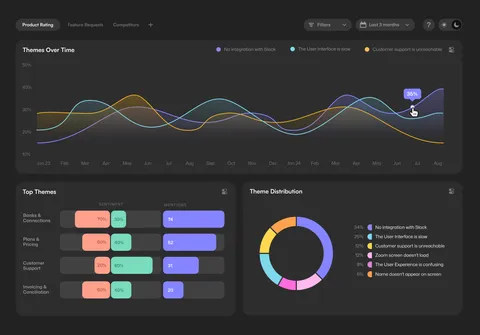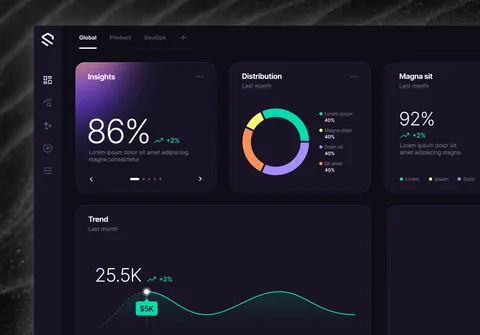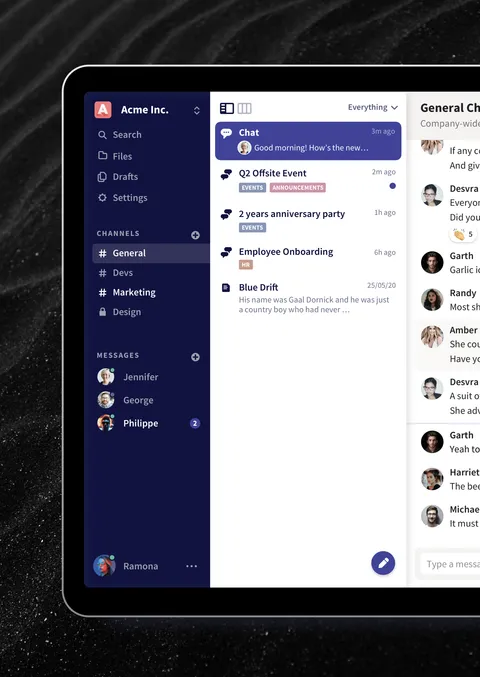
The most common mistake isn’t bringing in a designer too late. It’s not doing it before you started building.
The most common mistake: designing after building
Most early-stage startups delay design because it feels like an optional cost. The result is a product that works technically but that users don’t understand, don’t convert on, and don’t retain. Fixing that later has a much higher cost: time, code rewrites, and reset investor expectations.
UX design isn’t just how the product looks. It’s how it works. And if flow, architecture, and component decisions are made without design, your engineering team is building on sand.
5 signs you need a UX/UI designer now
1. Your onboarding metrics are bad
If users sign up but don’t activate, the friction is in the product, not in your marketing. A good UX designer identifies and removes that friction. Every improvement in onboarding directly translates to retention and LTV.
2. You get the same support questions repeatedly
When users ask how to do something that should be obvious, that’s a design signal, not a documentation problem. Adding a tutorial isn’t the fix. Redesigning the flow to be self-evident is.
3. Your development team is making interface decisions
Developers aren’t trained to decide what the user sees, in what order, or what visual hierarchy guides attention. That’s not their craft. When they make those calls by default, the product accumulates design debt that takes months to clear.
4. You’re raising a round in the next 6 months
Investors evaluate the product before the call. A product with solid UX signals that the team understands their user. A messy prototype signals the opposite, regardless of how the live demo goes.
5. You’re launching something new: feature, product, or market
The best time to invest in UX design is before building, not after. Wireframes and low-fidelity prototypes take days. Redesigning a shipped feature that doesn’t convert takes weeks.
In-house, freelance or subscription?
If the need is ongoing (weekly iterations, new features, pitch materials), a full-time designer makes sense long-term. But for startups still validating or with irregular workloads, hiring in-house can be premature.
A freelancer works for clearly scoped one-off projects. A monthly design subscription covers the ongoing need without hiring risk: immediate access to two senior designers, deliveries in 1–2 days, cancel whenever you want.
Need ongoing UX/UI design?
Access two senior designers with deliveries in 1–2 days. No lock-in, cancel whenever.
Start now