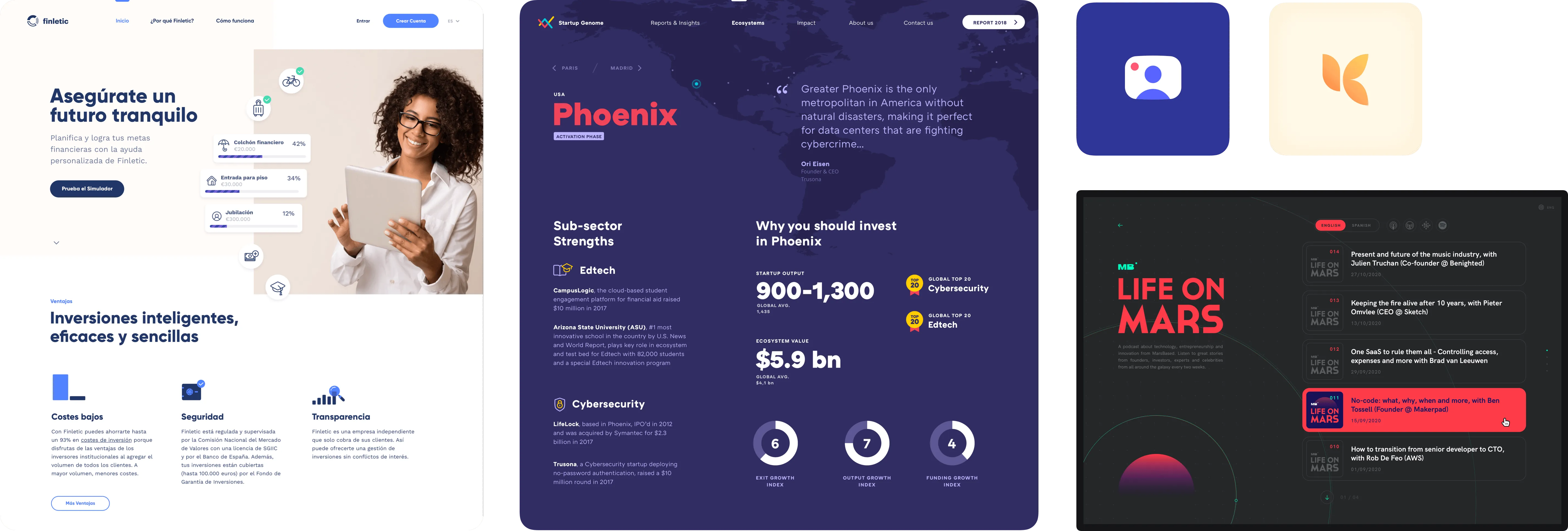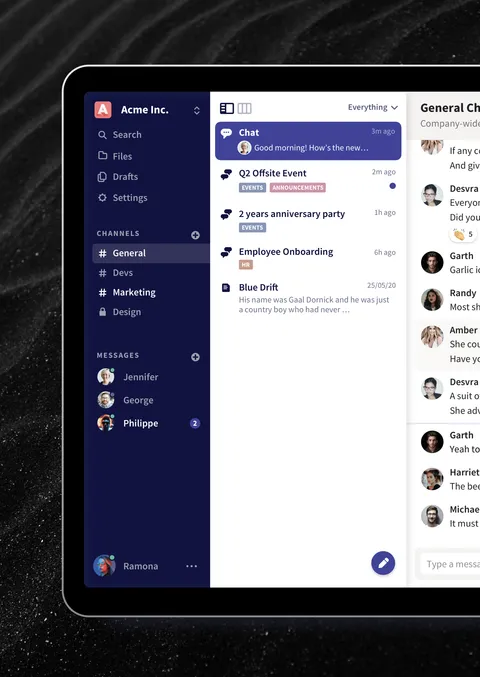
Designing a SaaS product is not the same as designing a website. The design surface is larger, the failure modes are more expensive, and most of the critical work happens after a user signs up.
Why SaaS design is different
A website is built for consumption: read this, understand that, click here to buy. The design goal is attention and conversion, and most of the work happens before the user does anything. A SaaS product is built for work. Users come back every day to get something done. The design goal is clarity under repetition, and most of the critical decisions happen after signup: onboarding flows, empty states, error handling, permission levels, dashboards, settings pages, mobile variants. Each of those is a design problem with real retention consequences, and none of them exist on a marketing site.
Most freelancers and agencies pitch "UX/UI design" as a single service. For SaaS, it's more useful to think in three surfaces, each with different priorities.
The three surfaces that matter most
Fixing a broken onboarding flow typically improves activation rates by 15–30%. Waiting until post-launch means rewriting flows that have already been engineered.
Onboarding. This is where most SaaS products bleed users. The gap between signing up and reaching the first moment of value is a design problem, not a marketing problem. Fixing a broken onboarding flow typically improves activation rates by 15–30%. Waiting until post-launch to address it means rewriting flows that have already been engineered.
Core product loops. The flows users repeat every session: dashboards, list views, create and edit patterns, filtering, bulk actions. Bad design here doesn't cause immediate churn. It generates support tickets, creates workarounds, and slows adoption within teams. The damage is diffuse and slow.
Conversion surfaces are often designed last and get the least attention. In most SaaS products they have the highest leverage.
Conversion surfaces. Pricing pages, upgrade prompts, trial-expiry flows. These are often designed last and get the least attention. In a product with 1% trial-to-paid conversion, improving that figure to 1.5% is a 50% revenue increase. That's a design problem, and it's rarely treated as one.
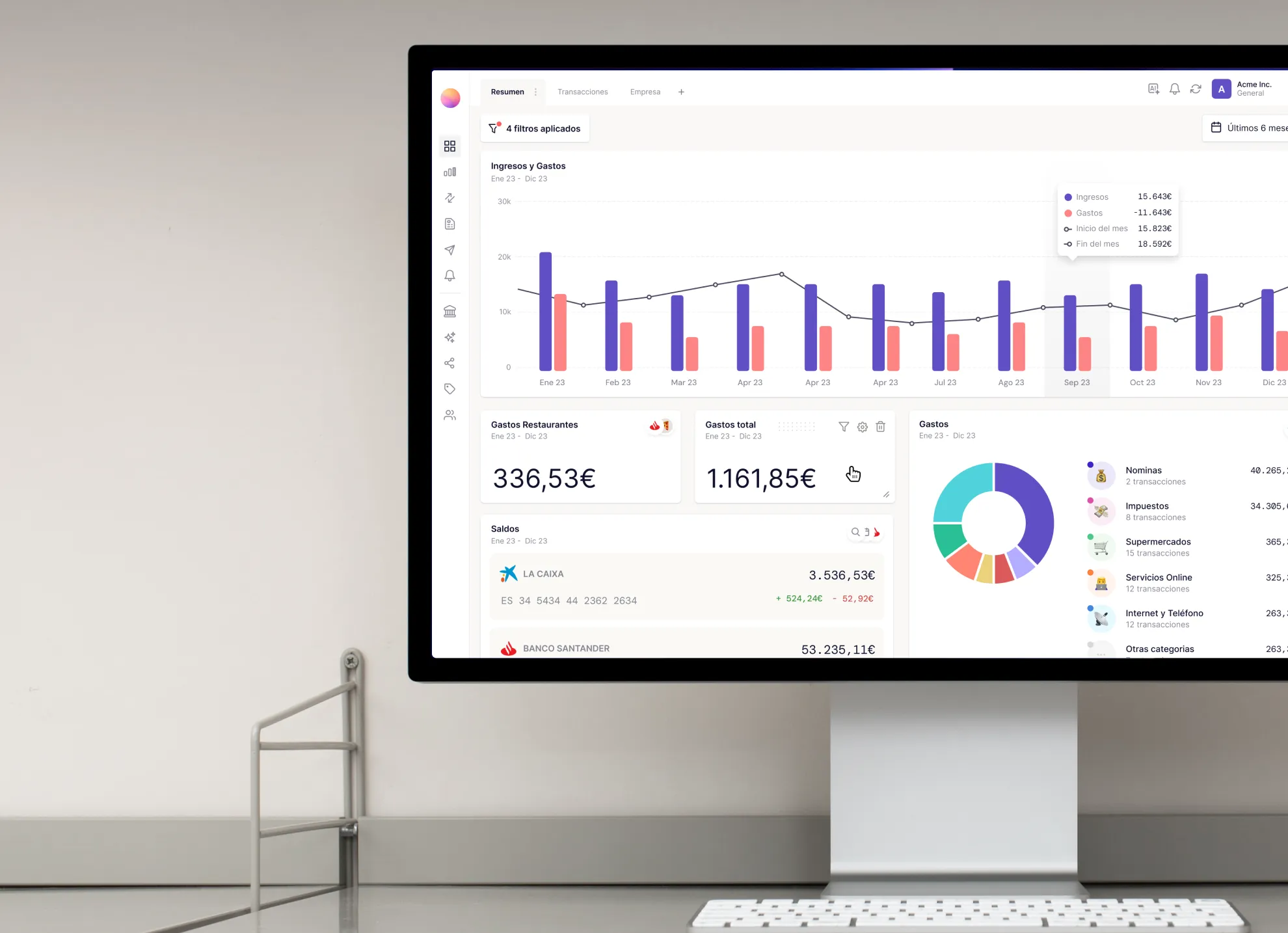
Common mistakes and what they cost to fix
Building UI without a design system is the most expensive long-term mistake. Inconsistency compounds: each feature adds more one-off components, the codebase grows harder to maintain, and onboarding new designers or engineers takes longer. Retrofitting a design system after 12 months of shipping typically costs 4–8 weeks of a senior designer's time.
Designing desktop-first and treating mobile as a port is the second most common. Even B2B SaaS has significant mobile usage for approvals, notifications, and status checks. Designing for desktop and adapting late usually produces a product that works poorly on both.
Treating UX as a one-time delivery rather than a continuous practice is how most startups accumulate design debt. A single design sprint followed by months of unreviewed engineering decisions produces a product that diverges from the design (and from user needs) faster than expected.
What good UX/UI design costs for a SaaS product
A full engagement for a SaaS MVP (flows, UI design, prototype, design system) runs €20,000–60,000 through a traditional agency. A senior freelance designer charges €40–80/hour and takes 6–10 weeks for a scope of that size.
The alternative is a monthly design subscription (€2,500–5,000/month): fixed rate, dedicated senior designers, deliveries in 1–2 days. It costs less than an in-house hire (€45,000–70,000/year plus employer costs) and adapts to the variable workload of a growing product.
Need ongoing UX/UI design?
Access two senior designers with deliveries in 1–2 days. No lock-in, cancel whenever.
Start now